 Least motion
Guides
Language
EnglishCurrency
US dollar · $On GetYourGuide you see prices in this currency.
Guide · Evening trips
Evening whale watching in Juneau
Long northern days make a late trip on the water possible in summer. Here is what evening whale watching in Juneau is like, when the light lasts and how to plan around it.
Check availabilityfrom $108 · free to cancel
Editorial team, juneauwhalewatchingtours.comUpdated October 16, 20266 minutes to read7 sources
Quick answer
Why a late trip works in Juneau
Evening whale watching in Juneau is possible because of where the town sits. In midsummer the sun stays up far into the evening, and in mid-June Auke Bay sees 17.9 hours of daylight.1 Even in mid-August there are still 15.1 hours of light.1 That leaves room for a trip on the water long after the day's first excursions have come back.
A later departure suits several kinds of traveler. Independent visitors can spend the day on the glacier, the tram or the trails and save the whales for the end. People arriving on a late flight or a ferry can still fit in a trip. And on some cruise itineraries, a late port departure leaves a window in the afternoon or early evening.
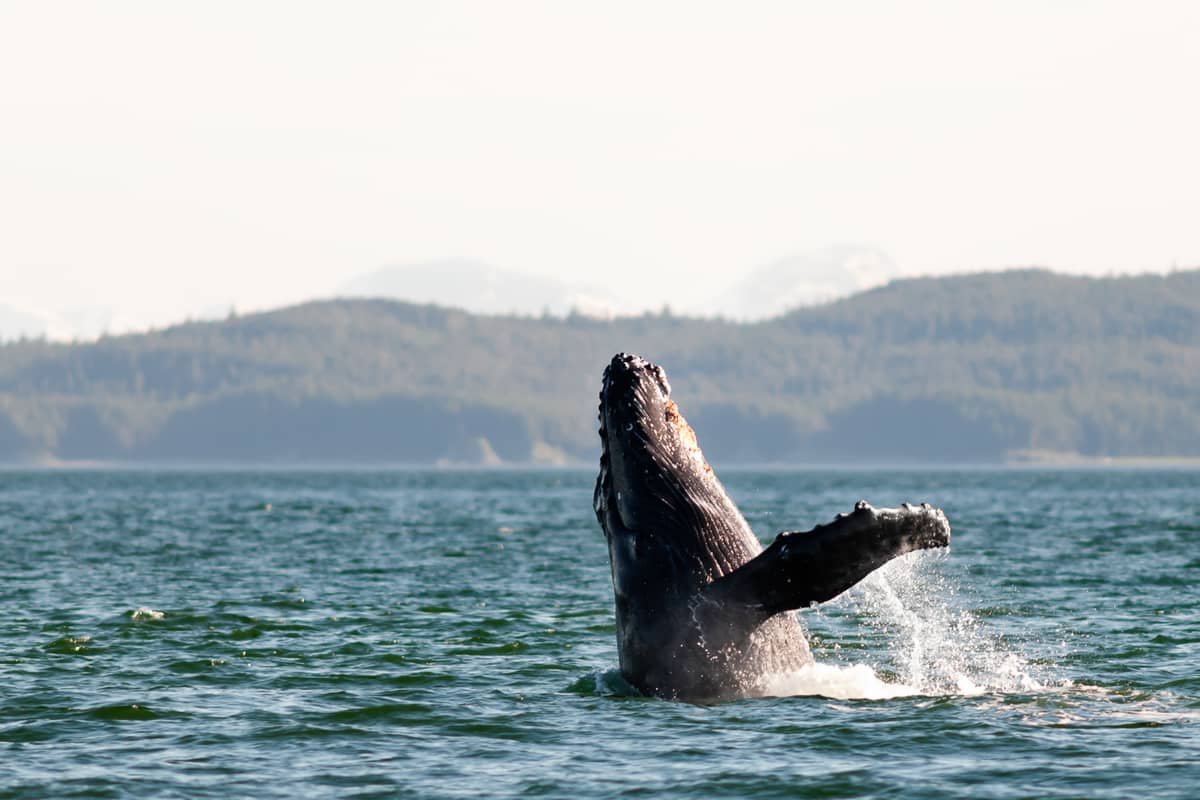
The whales themselves do not keep office hours. Humpbacks feed through the summer and spend much of the day doing it, so a late trip can be as rewarding as an early one.3 What changes is the light, the temperature on deck and, often, the feel of the boat.
A late trip
An afternoon on the water
-
Check in
Downtown
Meet the representative outside the tram building.
-
Ride out
To Auke Bay
About 25 minutes by bus to the harbor.
-
On board
About 2 hours
Search for humpbacks in the softening light.
-
Golden hour
Watch and shoot
Low sun on the blows and tails.
-
Back
Downtown for dinner
The trip takes 3 hours in total.
Light and color on the water
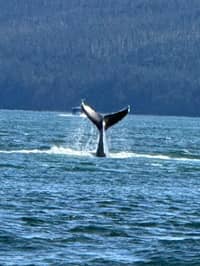
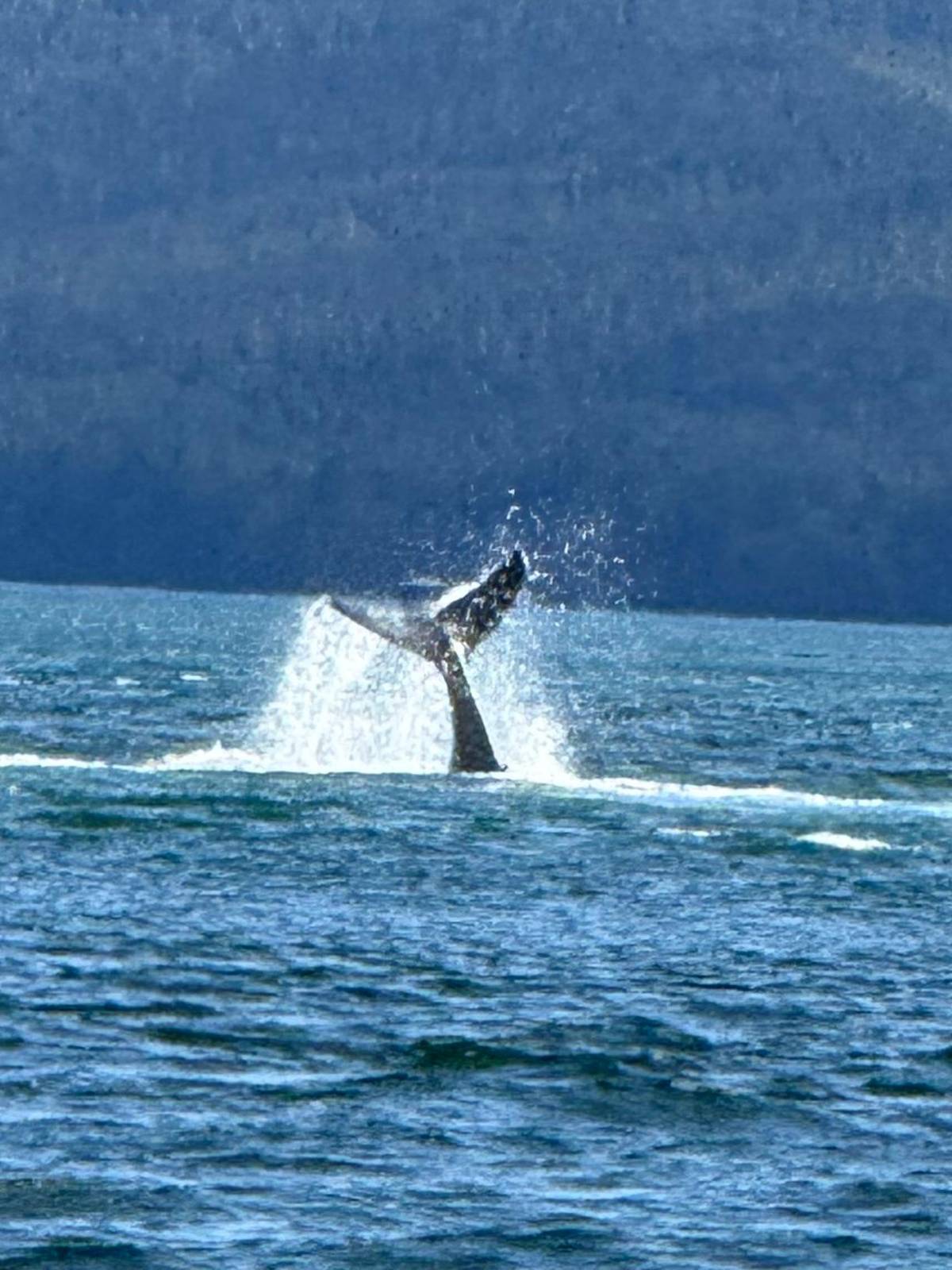
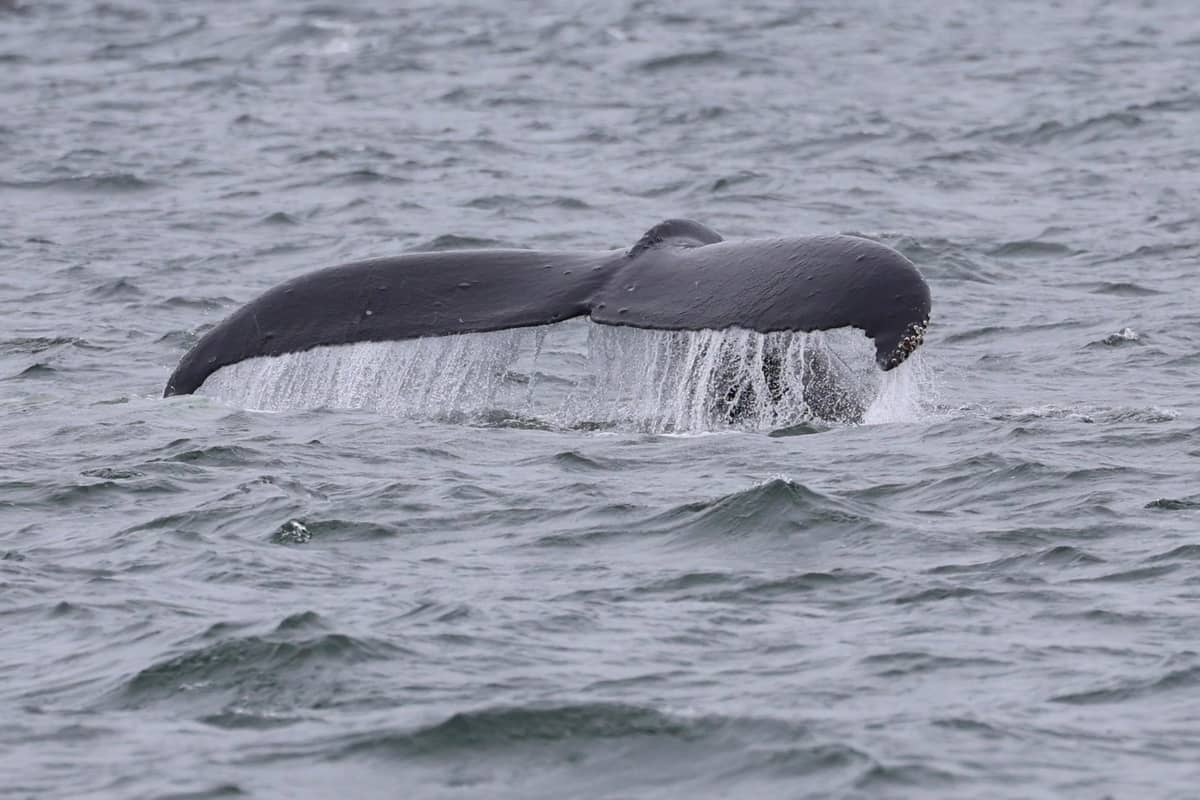
The light late in the day is softer and warmer than at midday, and on a clear evening it turns the forested shores gold and the snow on the peaks pink. A whale's blow catches that low sun beautifully, and a tail lifted against a bright sky makes a striking silhouette. For many photographers this is the best light of the day.
Juneau is often cloudy, though, and an overcast evening is common. That is not a loss for wildlife photos: diffuse light reduces glare on the water and shows the detail on a whale's back and tail more evenly. A grey evening can feel moody and still, with mist on the mountains and the sound of a blow carrying across calm water.
As summer turns to autumn the evenings shorten quickly. Mid-September has 12.5 hours of daylight at Auke Bay, and mid-October only 9.9.11 Late in the season, a trip that would end in bright light in June may end near dusk, so check the timing against the light if photos matter to you.
Daylight
How long the light lasts at Auke Bay
Hours without sunDays with precipitationSeason
Month by month
Daylight, rain and temperature
| Month | Sun (h) | No sun (h) | High / low | Wet days | Whale season |
|---|---|---|---|---|---|
| Jan | 6.8 | 17.2 | 0 / -4 °C | 13 | no |
| Feb | 9 | 15 | 2 / -3 °C | 10 | no |
| Mar | 11.4 | 12.6 | 4 / -2 °C | 10 | no |
| Apr | 14.1 | 9.9 | 10 / 1 °C | 9 | yes, from April |
| May | 16.5 | 7.5 | 15 / 6 °C | 10 | yes |
| Jun | 17.9 | 6.1 | 18 / 9 °C | 10 | yes, peak months |
| Jul | 17.3 | 6.7 | 18 / 11 °C | 13 | yes, peak months |
| Aug | 15.1 | 8.9 | 18 / 10 °C | 14 | yes, peak months |
| Sep | 12.5 | 11.5 | 14 / 8 °C | 17 | yes, until September |
| Oct | 9.9 | 14.1 | 9 / 4 °C | 18 | no |
| Nov | 7.4 | 16.6 | 3 / -1 °C | 15 | no |
| Dec | 6.1 | 17.9 | 1 / -3 °C | 14 | no |
The table lists daylight at mid-month, typical daytime highs and night lows, and the number of 2.5 mm days; NOAA, 1991 to 2020.1 Season according to Travel Juneau.7
Time of day
Morning, afternoon or evening?
Least motion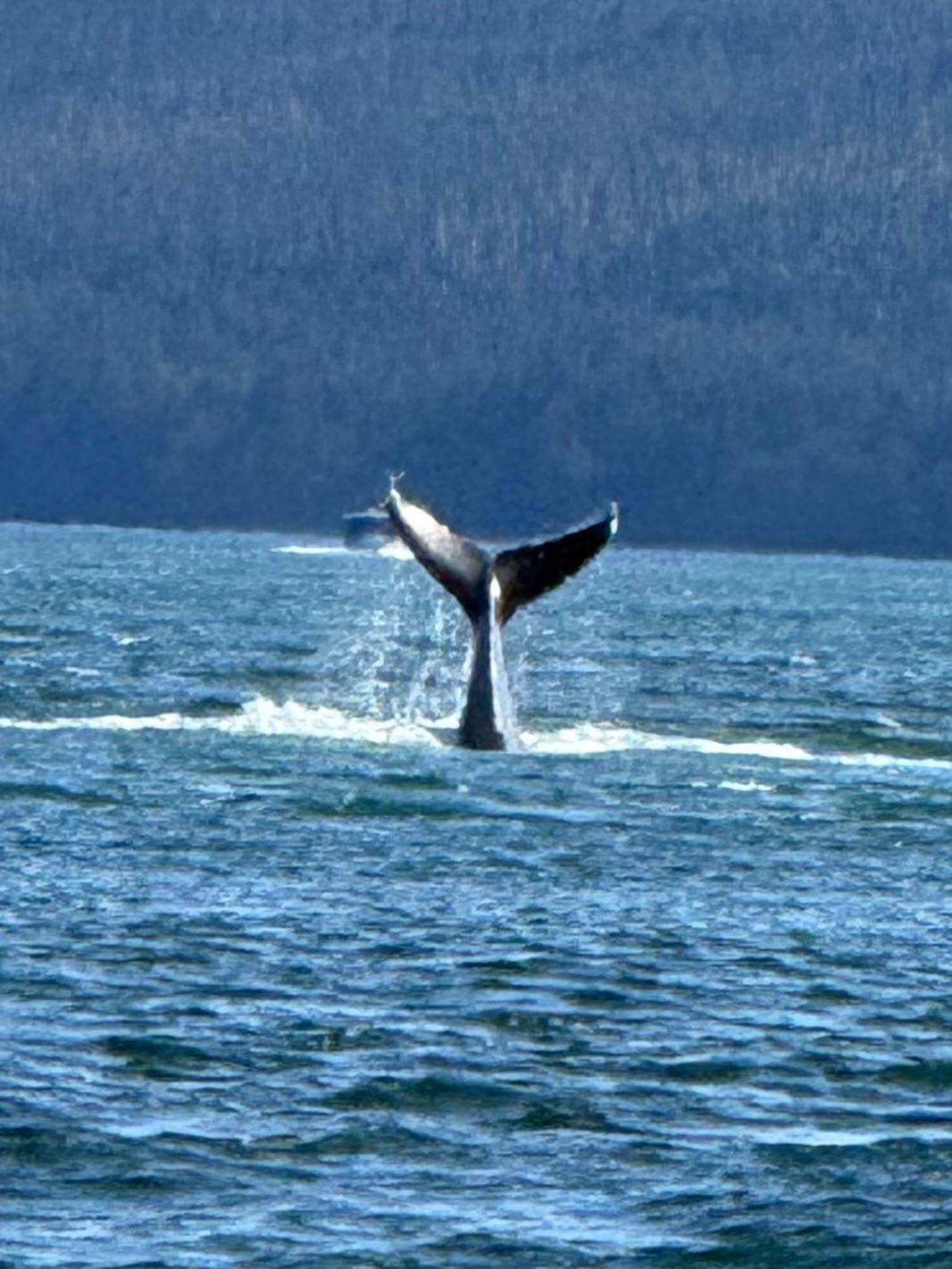 Most comfortable
 Photographers
Decision helper
Late trip or early start?
Tap what matters most to you
Feeding occurs almost exclusively during the summer months and animals live off of fat reserves while breeding.
Afternoon warmth, morning calm
Travel Juneau notes that morning tours often have calmer water, while afternoon trips enjoy the warmer part of the day.2 A later trip is usually a little warmer on deck, which matters on the water, where the air is cool even in summer. If you feel the cold, that alone can make an afternoon slot worth choosing.
The trade-off is the sea. Wind can pick up during the day, and a choppier afternoon can be less comfortable for anyone prone to seasickness. If that is you, a morning departure is the safer choice, or bring your usual remedy and spend the ride out in the enclosed cabin where the motion is gentler.
Weather in Juneau changes fast, so neither slot is a guarantee. A windy morning can calm into a glassy evening, and a bright morning can give way to afternoon rain. Book the time that fits your plans, then dress for anything.
Checklist
For an evening on the water
01
Wear
- Warm fleece and hat
- Waterproof jacket
- Gloves
02
Bring
- Camera that handles low light
- Spare battery
- Your plan for dinner after
Video
HUMPBACK WHALES! | Whale Watch in Juneau, Alaska from our Majestic Princess Cruises Alaska Cruise
The video loads only when you tap play.
Finding a late departure
Departure times vary by date and season, so the only reliable way to find a late slot is to check the listing for your day. On the tour sold on this site, the listing asks you to check availability to see starting times. Pick the latest slot that still leaves you a comfortable margin for whatever comes next.
Remember that the trip runs for 3 hours from downtown and back, with about 2 hours on the water. A late start therefore means a late finish, and you will be back in town around dinner time or later. Plan your evening meal and any onward transport with that in mind.
On a cruise day, a late departure only makes sense if your ship stays in port long enough. Work backwards from your all-aboard time, add the time it takes to walk back from the tram building, and only then choose your slot. If in doubt, take the earlier tour and enjoy a relaxed evening on board.
What you might see after the afternoon
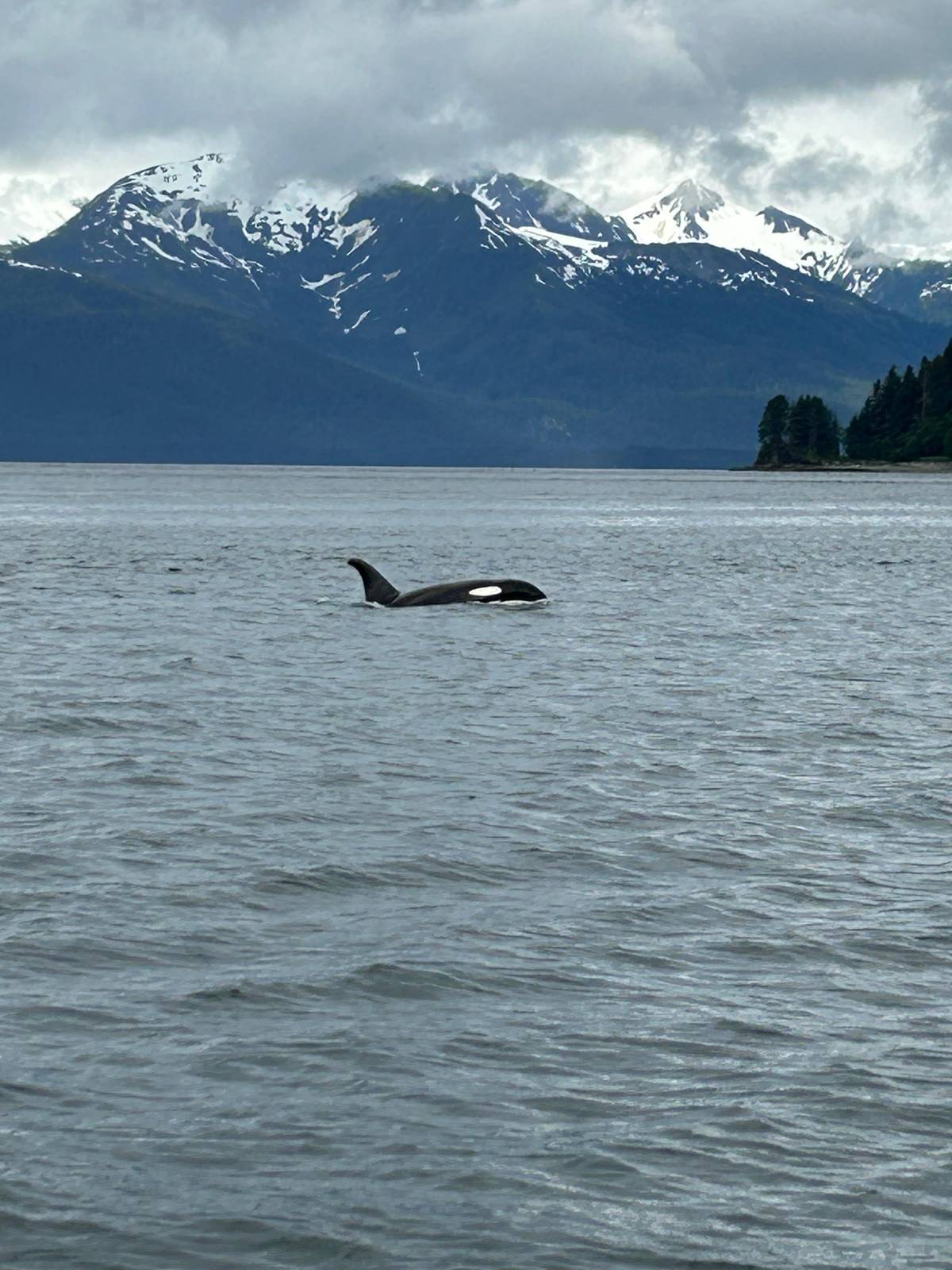
The animals on a late trip are the same as on any other. Humpbacks are the main attraction, and Travel Juneau notes that visitors may also spot orcas, sea lions and porpoises.4 Bald eagles along the shore are another regular sight on this tour, according to its listing.
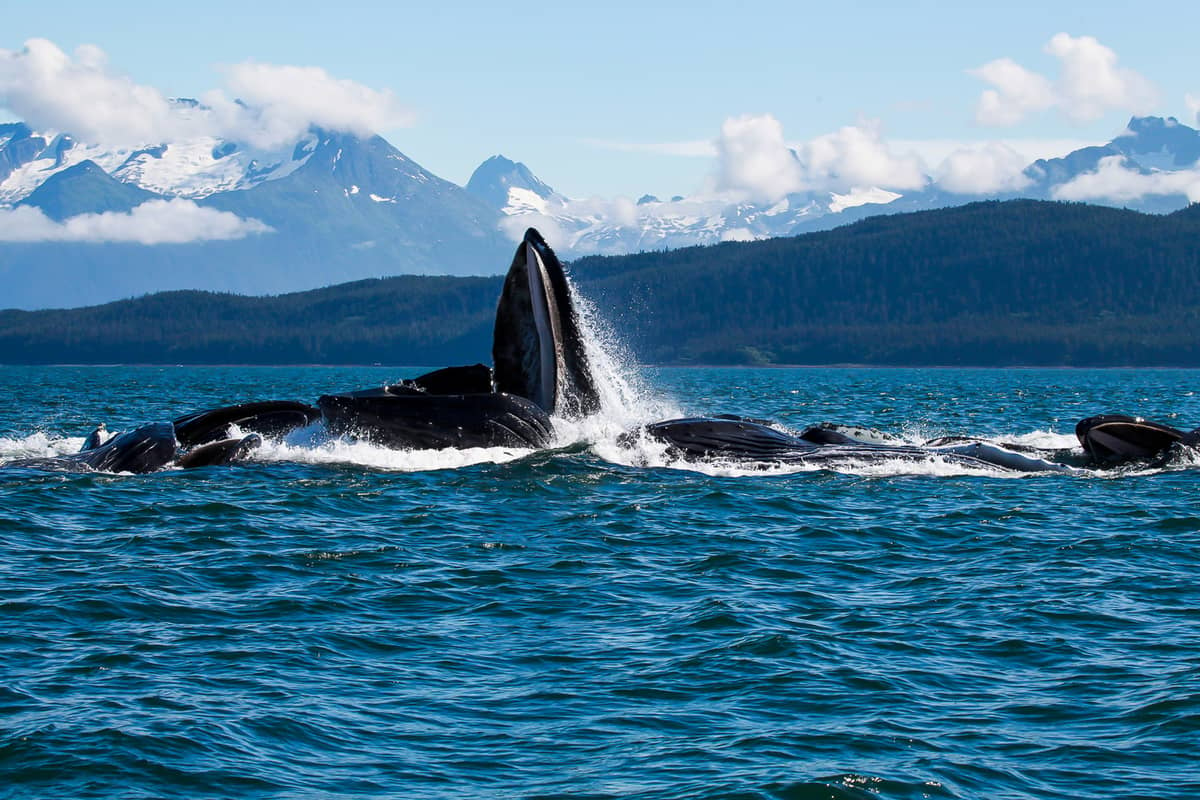
Feeding humpbacks can put on a show at any hour. NOAA describes group coordinated bubble net feeding, in which whales use curtains of air bubbles to concentrate their prey.5 If you see a ring of bubbles appear in the low evening light, keep your eyes on it, because the lunge that follows lasts only seconds.
As always, the boat keeps its distance. In Alaska it is unlawful to approach a humpback whale within 100 yards (91.4 m), with some exceptions.6 On a still evening, that distance hardly matters: you can often hear the breath of a whale long before you see it surface.
Dress for the cooler end of the day
Even in summer, the water around Juneau is cold and the air above it cools quickly once the sun drops. The average July high at Auke Bay is 18.1 °C, and the lows average 10.7 °C.1 On a moving boat in the evening you will feel closer to the low than the high, so bring more layers than you think you need.
A waterproof jacket, a warm fleece, a hat and gloves will keep you on deck rather than inside. The boat on this tour has an enclosed, climate-controlled cabin, so you can warm up between sightings, but the best moments happen outside. A thermos of something hot waiting for you back in town is a fine idea too.
Bring a camera with a fast lens or a phone that handles low light well, and turn off the flash. Flash does nothing at whale distances and only distracts other passengers. A spare battery is worth carrying, since cold drains batteries faster than you expect.
Is an evening trip right for you?
Choose a late trip if you love soft light, want a warmer deck and have a free evening in Juneau. It is also the natural choice if your day is already full with the glacier, the tram or a flight, and you want to end it on the water.
Choose a morning trip if you are prone to seasickness, are on a tight cruise schedule or simply prefer the calm of the early water.2 Morning and evening trips look for the same whales, so neither is better for sightings on its own.
Whatever you choose, the whales are wild and every trip is different. Dress well, keep your expectations open and enjoy the scenery of the channels at whatever hour you are on them.
Book your seat
The humpbacks are feeding off Auke Bay.
Claim a place now, settle up nearer the date, and change your mind at no charge until the day before sailing.


You ask,we answer.
Are there evening whale tours in Juneau?
Check the listing for your date. Start times vary by date; the tour asks you to check availability for times.
How late is it light in summer?
Very late. Mid-June has 17.9 hours of daylight at Auke Bay.1
Is it warmer in the afternoon?
Yes, usually. Travel Juneau notes that afternoon trips enjoy the warmer part of the day.2
Is the water calmer in the evening?
Not usually. Travel Juneau notes calmer water on morning tours.2
How long does the trip take?
3 hours in total. About 2 hours of that is spent on the water.
What should I wear?
Layers and rain gear. Mid-summer lows at Auke Bay average 10.7 °C.1
Sources
Evidence for this guide
- 1↩
- 2Travel JuneauDiscover Whale Watching in Juneau, Alaska↩
- 3Alaska Department of Fish and GameHumpback Whale Species Profile↩
- 4Travel JuneauDiscover Whale Watching in Juneau, Alaska↩
- 5NOAA FisheriesHumpback Whale↩
- 6NOAA FisheriesAlaska Humpback Whale Approach Regulations↩
- 7Travel JuneauDiscover Whale Watching in Juneau, Alaska↩
Keep reading